Engine Options and Performance in Modern Convertibles
When selecting a modern convertible, the engine is a central factor that influences not only the vehicle’s character but also its efficiency and day-to-day usability. The wide array of powertrains available today—from turbocharged four-cylinders to V8s and hybrid systems—offers distinct trade-offs in power, fuel economy, and driving dynamics. Understanding these differences is essential for making an informed choice that aligns with your priorities, whether you prioritize spirited driving, long-distance comfort, or environmental considerations. This article provides a technical breakdown of the engine options commonly found in current convertible models, examining their characteristics and how they translate to real-world performance.
Convertible design inherently affects driving dynamics due to changes in weight distribution and structural rigidity compared to fixed-roof counterparts. Manufacturers often compensate with revised suspension tuning and additional bracing, but the engine’s placement and output play a crucial role in maintaining balance and responsiveness. As we explore the engine choices, we’ll consider how each configuration interacts with the convertible’s unique requirements, offering insights that go beyond raw specifications.
Turbocharged Four-Cylinder Engines: Efficiency and Agility
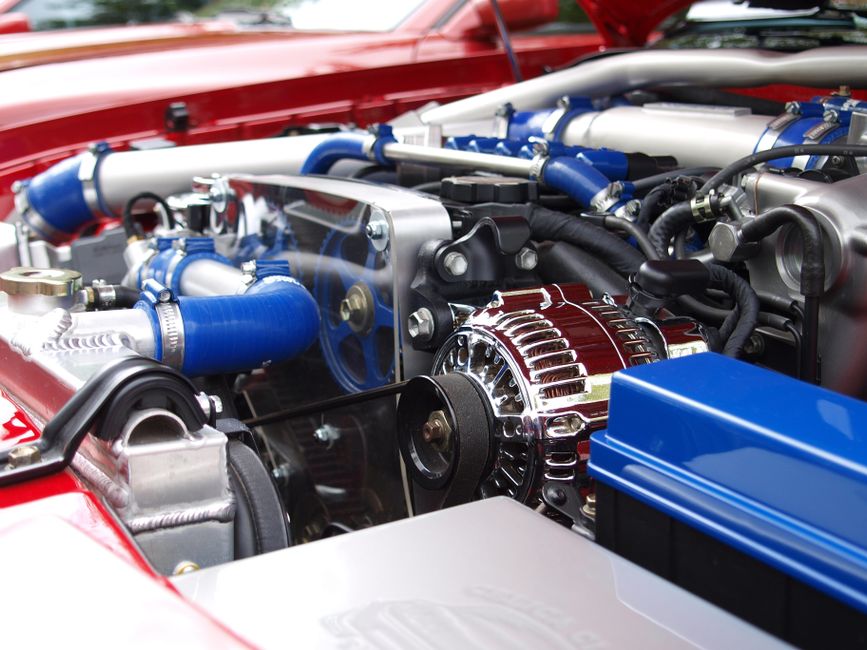
Turbocharged four-cylinder engines have become increasingly prevalent in the convertible segment, prized for their blend of fuel efficiency and adequate performance. These powertrains typically displace between 1.5 and 2.0 liters and employ turbocharging to extract power comparable to larger engines while reducing emissions. For example, many compact and mid-size convertibles offer turbo-fours generating between 180 and 250 horsepower, which provides responsive acceleration for daily driving and highway merging without excessive fuel consumption.
From a driving dynamics perspective, four-cylinder engines often contribute to lighter front-end weight, which can enhance steering response and agility. However, the turbocharger introduces a certain lag, which can affect throttle response in certain situations. Modern engineering mitigates this with technologies like twin-scroll turbos and electric wastegate actuators, improving responsiveness across the rev range. In convertibles, the placement of the engine can influence weight balance; mounting it lower and further back helps maintain stability.
Fuel economy is a significant advantage of turbo-fours, with many models achieving combined EPA ratings in the high 20s or low 30s miles per gallon. This efficiency makes them attractive for commuters who also enjoy open-air driving. However, real-world fuel consumption can vary based on driving style and conditions, so it’s essential to consider your typical usage. Additionally, some drivers may prefer the immediate torque of a naturally aspirated engine, which brings us to the next category.
Naturally Aspirated Inline-Six and V6 Engines: Smoothness and Linearity
Naturally aspirated inline-six and V6 engines appeal to enthusiasts who value smooth power delivery and a linear throttle response. These engines, often displacing between 3.0 and 3.6 liters, produce power outputs ranging from 250 to 400 horsepower, depending on tuning. The absence of turbocharging means power builds progressively with RPM, offering a predictable and engaging experience, particularly on winding roads where precise modulation is desired.
In terms of driving dynamics, six-cylinder engines typically provide a silky-smooth operation and a sonorous exhaust note that enhances the open-air experience. Their additional weight compared to four-cylinders can affect weight distribution, but manufacturers often design convertibles with a front-mid layout to maintain balance. The torque curve’s linearity reduces the need for downshifting, making these engines forgiving in various driving situations.
Fuel economy for V6 and inline-six engines is generally lower than turbo-fours, with combined ratings often in the low to mid-20s mpg. However, modern technologies like cylinder deactivation and direct injection help mitigate this penalty. For those who prioritize driving feel over fuel sipping, these engines offer a compelling option, especially in convertibles where the acoustic experience is a significant part of the enjoyment.
V8 Engines: Raw Power and Muscle
For those seeking maximal power and a classic muscle-car vibe, V8 engines remain a staple in high-performance convertibles. With displacements from 5.0 to 6.2 liters, these engines produce anywhere from 400 to over 700 horsepower in the most extreme iterations. The character of a V8 is unmistakable: a deep rumble at idle, a surge of torque in the mid-range, and a top-end rush that pins you to the seat.
The driving dynamics of a V8 convertible are governed by its substantial torque and heft. The engine’s weight can increase the car’s overall mass, affecting agility, but modern engineering often counters this with advanced suspension systems and adaptive dampers. The power delivery is often immediate, offering strong acceleration from low RPMs, which is thrilling yet demands respect, especially when traction is limited. In a convertible, the structural rigidity becomes even more critical, and makers employ reinforcements to minimize chassis flex.
Unsurprisingly, fuel economy takes a back seat in V8-powered convertibles, with ratings typically in the mid-to-high teens mpg. Some systems feature cylinder deactivation that shuts down half the cylinders under light load to improve efficiency, but real-world consumption remains higher than smaller engines. For the enthusiastic driver, the visceral experience of a V8 may outweigh these considerations, but it’s essential to be aware of the fuel costs and emissions.
Performance Variants and Forced Induction
Beyond the naturally aspirated and turbocharged options, performance variants often employ forced induction to extract even more power. Supercharged engines, for instance, provide immediate boost without lag, delivering linear, high-RPM power. These are found in some premium convertibles, where the supercharger’s whine adds to the auditory drama. On the other hand, high-output turbocharged engines in performance trims can offer exceptional top-end power, but with more pronounced lag.
In terms of driving dynamics, these high-power engines require sophisticated traction management and chassis tuning to handle the increased output effectively. Features like launch control, torque vectoring, and adaptive suspension are often paired to ensure that the power is usable. Convertibles with such engine options typically have reinforced structure and possibly a retuned exhaust that changes with driving modes, enhancing the experience.
However, the complexity of forced induction systems can have implications for maintenance and reliability. Owners should be prepared for potentially higher servicing costs and the need for premium fuel. Fuel economy expectations should be moderate, as high-performance engines inherently consume more energy. Nevertheless, for those who seek the ultimate in acceleration and top-speed capability, these powertrains deliver.
Hybrid and Electric Convertibles: Emerging Efficiency
As the automotive industry shifts toward electrification, hybrid and fully electric convertibles are entering the market, offering new dimensions in performance and efficiency. Hybrid drivetrains typically combine a gasoline engine with an electric motor, providing enhanced fuel economy and the ability to drive short distances on electric power alone. In convertibles, the placement of batteries can lower the center of gravity, improving handling, though weight may increase.
Electric convertibles, though still rare, promise instant torque and silent acceleration, redefining the open-air experience. Without the internal combustion engine, the vehicle is quieter, and the weight distribution can be optimized for balance. However, the added weight of battery packs and the thermal management systems present engineering challenges. Range anxiety and charging infrastructure remain considerations for buyers, but advancements are ongoing.
From a driving dynamics standpoint, electric powertrains offer immediate response and smooth acceleration, which can be exhilarating. The absence of engine vibration and noise allows for a different connection to the road. Yet, the heavier weight affects agility, and regenerative braking can alter the brake feel, requiring adaptation. Fuel economy for hybrids varies, but they generally offer better city mpg, while electric vehicles eliminate gas consumption altogether, depending on the electricity source.
Choosing the Right Engine for Your Needs
Selecting the engine that best suits your needs involves evaluating your priorities in power, fuel economy, and driving dynamics. A turbocharged four-cylinder may be the optimal choice if you prioritize efficiency and agility without sacrificing acceptable performance. For those who value smoothness and a linear power band, a naturally aspirated six-cylinder could be more satisfying. If raw power is paramount, a V8 or high-performance forced-induction engine will deliver, though with costs in fuel and perhaps refinement.
Consider how you plan to use the convertible. Commuting in congested areas may favor a hybrid or smaller engine for better fuel economy and easier maneuverability. Long-distance touring might benefit from a six-cylinder’s relaxed cruising ability and lower noise levels. For weekend canyon carving, a V8’s torque or a turbo’s boost can provide thrilling acceleration, but traction and control are paramount.
Test drives are essential to assess how each engine feels in the convertible’s context. Pay attention to throttle response, power delivery, and how the car behaves around corners. Also, consider long-term costs, including fuel, insurance, and maintenance, which can vary significantly between powertrain types. Professional reviews and reliability data can offer additional insights.
Furthermore, environmental considerations may steer you toward hybrid or electric options, though their driving dynamics and infrastructure readiness should be weighed. Automakers are continually refining these systems, and as technology advances, the performance gap between electric and internal combustion engines narrows.
Ultimately, the engine choice in a convertible is a personal decision that balances objective performance metrics with subjective feel and lifestyle considerations. No single option is universally superior; each offers distinct advantages that may align with your preferences. By understanding the technical characteristics of each powertrain type, you can better navigate the market and select a convertible that meets your expectations.
In summary, the engine is the heart of any convertible, influencing not just performance but the overall character and practicality of the vehicle. Whether you lean towards efficiency, refinement, or raw power, the current market provides a variety of options to suit different needs. As technology progresses, we can expect further diversification, including more electrified choices, but the fundamental trade-offs will remain. Careful consideration of your driving habits and priorities will guide you to the right powertrain.